Brick Lane rubbish removal guide for residents and traders
Posted on 13/08/2026

If you live or work around Brick Lane, rubbish has a habit of appearing faster than you planned for. One minute it's a few flat-pack boxes, a burst bin bag or some old furniture; the next, the hallway smells a bit musty, the shop back room is cramped, and you're wondering how on earth to move it all without causing a mess or upsetting neighbours. This Brick Lane rubbish removal guide for residents and traders is here to make that easier. It breaks down what actually counts as rubbish removal, how the process works in a busy East London setting, and how to choose a method that is practical, legal and not a complete headache.
Brick Lane is lively, layered and full of movement. That's part of its charm, but it also means waste builds up in awkward ways: after a refit, after a busy weekend service, after a move, after a clear-out you kept putting off. Let's face it, nobody wants to spend a Saturday afternoon wrestling a broken wardrobe down a narrow stairwell.
Use this guide to understand the options, avoid common mistakes, and decide the cleanest, quickest route for your home, shop, studio, cafe or office.
Why Brick Lane rubbish removal matters
Brick Lane has its own rhythm. Residential blocks, converted spaces, independent traders, cafes, bars, studios and market-facing businesses all generate different types of waste, often at different times of day. That makes rubbish removal more than a simple "take it away" task. It becomes part of how a building, business or household stays safe, tidy and workable.
For residents, the main issues are usually space, access and timing. Many homes in and around Brick Lane have tight staircases, shared entrances, limited front garden space or no lift at all. A couple of bags of mixed rubbish can quickly turn into an obstacle course if they are left in a hallway for too long. For traders, the pressure is different. Stock packaging, display fixtures, old shelving, worn seating, damaged appliances and renovation debris can all eat into usable floor space. On a busy street, clutter also affects first impressions. Customers notice more than people think they do.
There's also the practical side. Uncollected waste can attract pests, block fire exits, create trip hazards and make cleaning harder. In busy commercial settings, it can interfere with deliveries and staff movement. Not dramatic, just inconvenient enough to become expensive if ignored.
If you need a broader overview of local waste support, it can help to look at waste disposal in Shoreditch and the wider services overview so you can match the job to the right type of collection.
Expert summary: The best rubbish removal plan for Brick Lane is usually the one that balances access, speed, legal disposal and minimal disruption. If a job is awkward, time-sensitive or bulky, the "cheapest" option is often not the cheapest in practice.
How Brick Lane rubbish removal guide for residents and traders works
At a basic level, rubbish removal follows the same pattern wherever you are: identify what needs going, sort it, load it, transport it, and dispose of it through the proper route. The difference on Brick Lane is the logistics. Narrow streets, busy foot traffic and active premises can make a simple collection more delicate than it sounds.
For a household, the process often starts with a room-by-room clear-out: bags, broken furniture, appliances, old bedding, clothes, books, boxes and odds and ends. The job can be straightforward if everything is already stacked and accessible. It gets trickier if the waste is mixed into several areas of the property, or if large items need carrying down stairs without scuffing walls and banisters.
For traders, the process may involve clearing packaging from a shop floor before opening hours, removing old stockroom clutter, or disposing of a back-office build-up that has quietly grown over six months. In some cases, traders need something more structured, such as recurring commercial waste removal in Shoreditch or a one-off clearance after a refit. If you are dealing with a larger commercial clean-up, the rules of the job change a little. It becomes less about "get it gone" and more about timing, access and documentation.
A good provider should be able to handle mixed loads sensibly, separate reusable or recyclable materials where practical, and explain what happens next. That transparency matters. Nobody wants vague promises about "eco-friendly disposal" without any detail behind them.
For bulky household items, you may also want to look at furniture disposal in Shoreditch or, when the job involves a full room or property, house clearance in Shoreditch. These services often overlap, but the best fit depends on how much needs removing and how quickly you need the space back.
Key benefits and practical advantages
Good rubbish removal does more than make a space look better. It clears mental clutter too. That sounds a bit sentimental, maybe, but it's true. When a hallway is clear or a stockroom is workable again, people move more freely and think more clearly.
- Faster turnaround: A trained team can remove in one visit what might take you several weekends.
- Less disruption: Professional loading reduces repeated trips up and down stairs, which matters in older Brick Lane buildings.
- Safer handling: Heavy, sharp or awkward items are moved with proper care instead of being dragged and dropped.
- Better space use: Clearing waste often reveals usable space you had mentally written off.
- Cleaner presentation: This matters for residents hosting guests and traders welcoming customers.
- More predictable disposal: A reputable operator should manage transport and disposal in line with UK best practice.
For traders especially, the benefit can be operational rather than cosmetic. A back room full of packaging slows down replenishment. A cluttered basement can make stock checks a nuisance. A cleared area lets the business breathe a little. Truth be told, that can be the difference between a smooth service and a day that feels strangely sticky.
If you are comparing how the job might be handled, rubbish collection in Shoreditch is a useful reference point for smaller or more regular jobs, while waste clearance in Shoreditch can be the better fit for larger or mixed-content clear-outs.
Who this is for and when it makes sense
This guide is for anyone on or around Brick Lane who has waste that is too awkward, too bulky or too time-sensitive for a normal household bin. That includes long-term residents, short-term tenants, landlords, shop owners, cafe managers, office teams, gallery operators, market traders and property managers.
It makes sense to book a rubbish removal service when:
- you are moving out and need to clear furniture, bags and leftover items;
- you are refurbishing a property or shop and have packaging or rubble to remove;
- your trader back-of-house area has become cluttered and hard to work in;
- you are emptying a storage room, basement, loft or stockroom;
- you have white goods, broken appliances or old fixtures that need lifting out;
- you want a one-off clean-up before tenants, customers or guests arrive;
- you need waste removed quickly and cannot wait for a slow piecemeal approach.
One thing worth saying: not every load needs the same solution. A few bin bags after a flat clear-out do not require the same setup as a full post-refurbishment job. And that's fine. Matching the method to the waste is half the battle.
If your situation includes a loft, cluttered storage or a packed top floor, loft clearance in Shoreditch can be a better starting point than treating everything as general rubbish. For old appliances, white goods and appliance disposal in Shoreditch is often the more sensible route.
Step-by-step guidance
Here's a practical way to approach rubbish removal on Brick Lane without making it harder than it needs to be.
- Identify the waste type. Separate general rubbish, furniture, electricals, green waste, renovation debris and anything potentially hazardous. A mixed pile is normal, but it helps to know what you have.
- Estimate volume. A few bags, half a van, or a full load? You do not need to be exact, but a rough idea helps with planning.
- Check access. Note stairs, narrow doorways, basement steps, loading restrictions, parking difficulties and whether the items must come through a trading floor during opening hours.
- Choose the right service. For small domestic jobs, a lighter collection may do. For bulky items, look at furniture, appliance or house clearance options. For traders, commercial waste support is usually the better fit.
- Book a sensible time window. Early mornings can be ideal for shops and hospitality venues. For residents, mid-morning or early afternoon often works best, especially if neighbours need peace and quiet.
- Clear pathways before collection. Move small obstacles, unlock gates, and make sure the team can get in and out without fuss. It sounds obvious. It isn't always done.
- Confirm what is included. Ask whether loading, disposal, recycling separation and clean-up are part of the service, or whether there are restrictions.
- Keep paperwork and receipts. Useful for landlords, business records and your own peace of mind.
If the waste came from building work, you may need a dedicated service. Builders waste disposal in Shoreditch is the right conversation when you have plaster, timber, bricks, packaging or mixed refurbishment debris. It is not the same as general household waste, and trying to treat it as such can create problems later.
For a cleaner starting point after construction or renovation, some people also compare it with E1 builders waste disposal in Shoreditch or, in shop and office settings, office clearance in Shoreditch. Different jobs, different pressure points. That's the honest version.
Expert tips for better results
After seeing how these jobs tend to go wrong, the best advice is usually simple.
First, sort before the team arrives. If the same pile contains boxes, broken chairs, electronics and bagged rubbish, it helps to group similar items together. It saves time and reduces the chance of odd bits being left behind.
Second, make access easy. Clear the route from the waste to the exit. A misplaced mop bucket or stack of delivery crates can slow a job down more than you'd think. On Brick Lane, where space is already at a premium, every inch matters.
Third, be honest about the awkward bits. If there's a heavy sofa, a washing machine in a tight kitchen or a broken cabinet that needs splitting, say so up front. The best teams can plan for that. Surprise complications are what make things messy.
Fourth, ask how items are handled. Recycling and reuse should not be treated like marketing fluff. If a provider talks about sorting, segregation and responsible disposal in plain English, that's a good sign. You can also review their approach to recycling and sustainability if environmental handling matters to you.
Fifth, think about timing around your neighbours or customers. In a quiet residential building, a 7 a.m. collection may not be your friend. In a trader setting, the last thing you want is a van blocking the front during peak footfall. A little thought goes a long way.
Small detail, big difference.
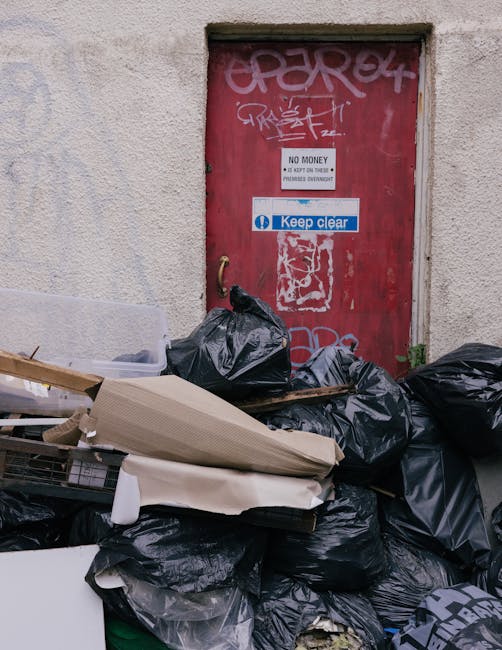
Common mistakes to avoid
Most rubbish removal issues are avoidable. They usually come from rushing, guessing or underestimating how much is involved.
- Leaving everything mixed together: This makes the job slower and can make recycling harder.
- Choosing the wrong service type: A clearance service, collection service and builders waste service are not identical.
- Ignoring access issues: Parking, gates, codes and stairwells matter more in Brick Lane than people expect.
- Assuming all waste is treated the same: White goods, furniture, garden waste and construction debris each need different handling.
- Booking too late: If you are preparing for a tenant check-in, stock delivery or weekend trade, leave a little buffer.
- Using an unverified operator: Waste should be handled by someone who can explain compliance and disposal clearly.
- Forgetting extra items: A job often grows by one or two pieces. That's just life. Keep a short list so nothing is missed.
The biggest mistake? Treating waste as an afterthought. Once it begins taking over usable space, it affects everything else: cleaning, sales, guest experience, safety and stress levels. And stress, frankly, is expensive in its own quiet way.
Tools, resources and recommendations
You do not need a van full of specialist kit to get organised, but a few basics help:
- Heavy-duty sacks: Better for mixed light waste, packaging and soft items.
- Labels or marker pens: Useful if you are separating keep, donate, recycle and remove piles.
- Gloves and closed shoes: Simple protection for moving sharp-edged or dusty items.
- Measurements or rough photos: Handy when asking for a quote or describing access problems.
- Bin keys, access codes and contact details: Especially important in shared buildings or managed premises.
For readers wanting to understand the company side of the process, waste carrier licence and compliance explains the sort of accountability you should expect from a professional operator. It is the sort of page you may not think to read until you need it, then suddenly it matters a lot.
If you are comparing wider support options, it can also be helpful to review pricing and quotes so you know how jobs are usually assessed, and insurance and safety for the practical side of handling heavier loads and awkward access.
One useful recommendation: take two or three photos of the waste before booking. Not glamorous, but very effective. It helps avoid misunderstandings and makes the quote process easier. Sometimes the picture tells the story better than a long phone explanation.
Law, compliance, standards and best practice
For rubbish removal, compliance is mostly about doing the simple things properly. In the UK, waste should be handled by a responsible carrier and disposed of through legitimate routes. Residents and traders should be cautious about handing waste to anyone who cannot clearly explain what happens to it. If something feels vague, that is usually a reason to pause.
Businesses in particular should keep records where appropriate and be careful about what leaves the premises. Trade waste, office waste and mixed commercial loads are not areas for guesswork. A trader may not need to be a legal expert, but they should know enough to choose a provider with a visible compliance approach. That includes clear terms, sensible handling of waste streams and straightforward invoicing or receipts.
Best practice also includes:
- not blocking fire exits or shared access points;
- separating recyclable items where practical;
- avoiding fly-tipping by using proper disposal channels;
- being transparent about any hazardous or unusual waste;
- keeping communication clear between resident, landlord, manager or business owner.
If you run a shop, cafe or venue, compliance becomes part of the day-to-day operating rhythm. In that setting, waste is not just rubbish. It's a process, a safety issue and sometimes a customer-facing one too. A tidy threshold says more than people realise.
For companies wanting a more structured service, commercial waste removal in Shoreditch is often the most relevant page to review alongside terms and conditions and privacy policy if you are checking service standards and booking details.
Options and comparison table
Here is a simple way to compare the main approaches. The "best" option depends on how much you need removed, how quickly you need it gone and how awkward the access is.
| Option | Best for | Strengths | Watch-outs |
|---|---|---|---|
| Self-clearing to bins or local disposal points | Very small quantities of light household rubbish | Low direct cost, simple for one or two bags | Time-consuming, awkward for bulky items, not ideal for traders |
| One-off rubbish collection | General domestic waste, small clear-outs, mixed items | Quick, convenient, minimal disruption | May not suit heavier furniture or specialist waste streams |
| Furniture or appliance disposal | Sofas, wardrobes, fridges, washing machines | Handles bulky, heavy items properly | Needs accurate item listing and clear access |
| House or loft clearance | Moves, downsizing, inherited property, long-term clutter | More comprehensive and organised | Can take longer if the property is heavily filled |
| Commercial waste removal | Shops, cafes, offices, studios, hospitality venues | Better for business timing and mixed trade waste | Requires good scheduling and clearer waste categorisation |
| Builders waste disposal | Renovation debris, timber, rubble, packaging, site waste | Designed for post-work debris and heavier loads | Needs realistic estimates of volume and material type |
For Brick Lane residents, a one-off collection or furniture disposal is often enough. For traders, commercial or office-based clearances usually make more sense. If you are renovating a shop or flat, builders waste support is usually the cleanest route. Simple as that.
Case study or real-world example
Picture a small independent trader just off Brick Lane. The space has been busy for months, and the back room has quietly filled with cardboard, broken shelving, outdated stock displays and a couple of damaged chairs. Nothing dramatic. Just enough clutter to make restocking annoying and closing up at night slower than it should be.
The first instinct is often to "chip away at it" over several weeks. In reality, that approach tends to drag. Cardboard gets flattened, then not removed. Chairs get moved to one corner, then that corner becomes the new storage spot. Before long, staff are stepping around the same pile every morning.
A better approach is to take a few photos, separate obvious recyclables from mixed rubbish, confirm access to the rear entrance, and book a single removal slot before opening hours. The space is cleared in one go. Staff can sweep properly afterwards. The stockroom feels like part of the business again instead of a forgotten limbo zone.
A similar pattern applies in residential settings. A landlord clearing a flat between tenancies may think there are only "a few bits left behind." Then comes the broken lamp, the old bed base, the mattress, the bagged rubbish in the cupboard and the random kitchen items nobody claimed. One planned visit is usually easier than three improvised ones.
And yes, there is always one mysterious item that nobody can identify. Every time.
Practical checklist
Use this checklist before booking rubbish removal on Brick Lane:
- List the items you want removed.
- Separate general rubbish from furniture, appliances, garden waste and builders waste.
- Check whether anything is heavy, sharp, fragile or awkward to carry.
- Measure access points if the space is tight.
- Confirm parking or loading considerations.
- Decide whether the job is domestic, commercial or mixed.
- Take a few clear photos of the waste area.
- Choose a time slot that suits neighbours, customers or building rules.
- Ask what is included in the service and what is not.
- Keep the paperwork, receipt or booking confirmation.
If you tick off those ten points, the job is usually far smoother. Not always perfect. But better. Much better.
Get a free quote today and see how much you can save.
Conclusion
Brick Lane rubbish removal does not need to be complicated, but it does need to be thought through. Residents need a service that respects access, timing and shared spaces. Traders need something that fits around opening hours, customer flow and the realities of commercial life. Once you match the waste type to the right removal method, the whole process becomes simpler and less stressful.
The main lesson is a practical one: sort the waste, be clear about access, choose the right service and use a provider that takes disposal and compliance seriously. Do that, and the job becomes a short, tidy interruption instead of a drawn-out nuisance.
And if you are standing in a cluttered flat, stockroom or back office right now thinking, "right, this has to go," that's usually the right moment to deal with it. A cleared space really does change the mood of a place.